Navigating Menopause: Essential Skincare Tips for Healthy Skin

Menopause brings many changes to your body, and your skin is no exception. As hormone levels shift, you may notice dryness, sensitivity, or wrinkles appearing more prominently. Understanding how menopause affects your skin helps you adjust your skincare routine to keep your skin healthy and glowing during this phase of life.
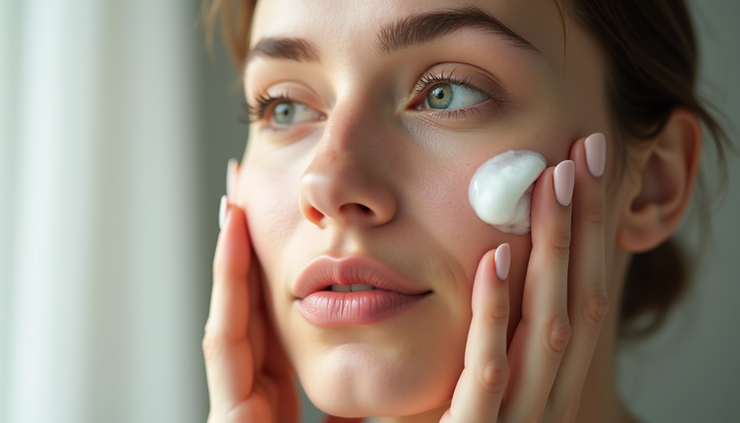
How Menopause Affects Your Skin
During menopause, your body produces less estrogen, a hormone that plays a key role in maintaining skin thickness, moisture, and elasticity. This drop in estrogen can lead to several noticeable skin changes:
Dryness: Reduced oil production causes your skin to feel tight and flaky.
Thinning skin: Skin loses collagen and becomes thinner, making it more fragile.
Wrinkles and fine lines: Loss of elasticity leads to more visible aging signs.
Increased sensitivity: Skin may react more easily to products or environmental factors.
Uneven tone: Hormonal shifts can cause pigmentation changes or redness.
Knowing these changes helps you choose skincare products and habits that support your skin’s new needs.
Adjusting Your Skincare Routine
Your skin needs more gentle care and hydration during menopause. Here are practical tips to help you adapt your routine:
Cleanse Gently
Use a mild, hydrating cleanser that does not strip natural oils. Avoid harsh soaps or cleansers with strong fragrances, which can irritate sensitive skin.
Hydrate and Moisturize
Focus on products that boost moisture and strengthen the skin barrier:
Look for ingredients like hyaluronic acid, glycerin, and ceramides.
Use a richer moisturizer to lock in hydration, especially at night.
Consider facial oils with nourishing properties, such as rosehip or jojoba oil.
Protect Your Skin
Sun protection remains crucial. Thinner skin is more vulnerable to UV damage, which accelerates aging and pigmentation issues.
Apply a broad-spectrum sunscreen with at least SPF 30 daily.
Wear hats and seek shade during peak sun hours.
Target Signs of Aging
Incorporate products that support collagen production and skin renewal:
Retinoids can improve texture and reduce wrinkles but start slowly to avoid irritation.
Vitamin C serums brighten skin and protect against environmental damage.
Peptides help stimulate collagen and improve firmness.
Avoid Irritants
Menopausal skin can be more reactive. Avoid alcohol-based toners, strong exfoliants, and fragranced products that may cause redness or dryness.
Lifestyle Habits That Support Skin Health
Skincare products alone are not enough. Your lifestyle plays a big role in how your skin ages during menopause.
Stay hydrated by drinking plenty of water throughout the day.
Eat a balanced diet rich in antioxidants, vitamins, and healthy fats. Foods like berries, nuts, and fatty fish support skin health.
Get enough sleep to allow your skin to repair and regenerate.
Manage stress through activities like yoga or meditation, as stress can worsen skin conditions.
Avoid smoking and limit alcohol, both of which accelerate skin aging.

When to See a Dermatologist
If you experience severe dryness, itching, or sudden changes in your skin, consult a dermatologist. They can recommend treatments such as prescription creams or hormone therapy that may help manage symptoms safely.
Final Thoughts on Menopause and Your Skin
Menopause changes your skin, but with the right care, you can maintain a healthy, radiant complexion. Focus on gentle cleansing, deep hydration, sun protection, and nourishing ingredients that support your skin’s new needs. Combine these with healthy lifestyle choices to give your skin the best chance to thrive during this transition.


Comments