Lotion, Body Oil or Shea Butter... Which Moisturizer is Right for You?

Choosing the right moisturizer can feel overwhelming with so many options available. Lotion, body oil, and shea butter all promise to keep your skin soft and hydrated, but they work differently and suit different skin types and needs. Understanding these differences helps you pick the best product for your skin, so you get the most benefit without wasting time or money.

How Lotion Works and When to Use It
Lotion is a lightweight moisturizer made mostly of water mixed with oils and emulsifiers. It absorbs quickly and feels light on the skin. Because of its high water content, lotion is great for everyday use, especially if you have normal to slightly dry skin.
Best for: Normal, combination, or slightly dry skin
Texture: Light, easily absorbed
Use: Daily moisturizing, especially in warmer weather or humid climates
Benefits: Hydrates without feeling greasy, good for large areas like arms and legs
If your skin feels tight after washing or during cold weather, lotion can help restore moisture without clogging pores. It’s also a good choice if you prefer a non-greasy finish and want something that layers well under makeup or sunscreen.
Body Oil and Its Benefits
Body oils are concentrated moisturizers made from natural oils like jojoba, almond, or coconut oil. They create a protective barrier on the skin that locks in moisture and nourishes deeply. Oils tend to be heavier than lotions but absorb well when applied to damp skin.
Best for: Dry, flaky, or mature skin
Texture: Rich, smooth, and sometimes slightly oily
Use: After showering on damp skin to seal in moisture
Benefits: Deep hydration, improves skin elasticity, adds natural glow
If your skin feels rough or flaky, body oil can provide intense nourishment. Oils are also great for massage and can soothe irritated or sensitive skin. For example, almond oil is rich in vitamin E, which supports skin repair and softness.
Shea Butter and Its Unique Qualities
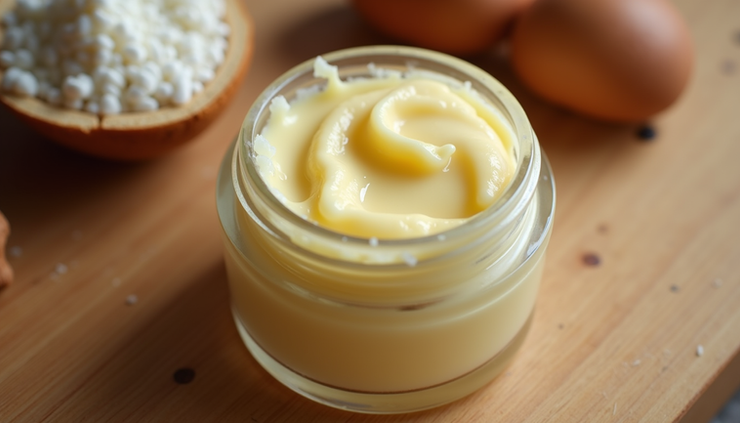
Shea butter is a thick, creamy fat extracted from the nuts of the shea tree. It’s a natural moisturizer packed with vitamins A and E, fatty acids, and antioxidants. Shea butter is heavier than lotion and oil, making it ideal for very dry or damaged skin.
Best for: Very dry, cracked, or eczema-prone skin
Texture: Thick, creamy, and dense
Use: Spot treatment on rough areas like elbows, knees, and heels
Benefits: Long-lasting moisture, skin barrier repair, anti-inflammatory properties
Because of its richness, shea butter works well in colder months or for people with skin conditions that cause dryness. It can feel heavy if used all over the body in hot weather, but a small amount goes a long way on problem areas.
How to Choose the Right Moisturizer for Your Skin
To pick the best moisturizer, consider your skin type, the climate you live in, and your skin concerns.
If your skin is normal or slightly dry: Lotion is usually enough for daily hydration. It feels light and won’t clog pores.
If your skin is dry or flaky: Body oil can provide deeper moisture and help smooth rough patches. Apply it on damp skin for best absorption.
If your skin is very dry, cracked, or sensitive: Shea butter offers intense nourishment and helps repair the skin barrier. Use it on specific dry spots rather than all over.
Also, think about your lifestyle. If you want a quick-absorbing product for busy mornings, lotion fits well. If you enjoy self-care routines like massages or baths, body oils add a luxurious touch. Shea butter suits those who need serious moisture and don’t mind a heavier feel.
Tips for Using Moisturizers Effectively
Apply moisturizer right after showering or washing your hands to lock in moisture.
Use gentle, upward strokes to massage lotion or oil into your skin.
For very dry skin, layering products can help: start with body oil, then add a thin layer of shea butter on top.
Avoid using too much product; a pea-sized amount is often enough for each area.
Patch test new products to check for allergies or irritation.
Final Thoughts on Lotion, Body Oil, and Shea Butter
Each moisturizer has its strengths. Lotion offers light hydration for everyday use, body oil delivers deep nourishment for dry skin, and shea butter provides rich, long-lasting moisture for very dry or damaged areas. By matching your skin’s needs with the right product, you can keep your skin healthy, soft, and comfortable all year round.


Comments